


Applications and future of innovative building technologies

The world of architecture is creating unprecedented and innovative spaces through the fusion of mathematical concepts and cutting-edge technology. In particular, attempts to apply abstract mathematical ideas such as chaos theory, topology, and higher-dimensional geometry to architecture to achieve gravity-defying, floating designs are attracting attention. This article will provide a detailed explanation of the applications and future prospects of these innovative architectural technologies.
Application of innovative building technologies
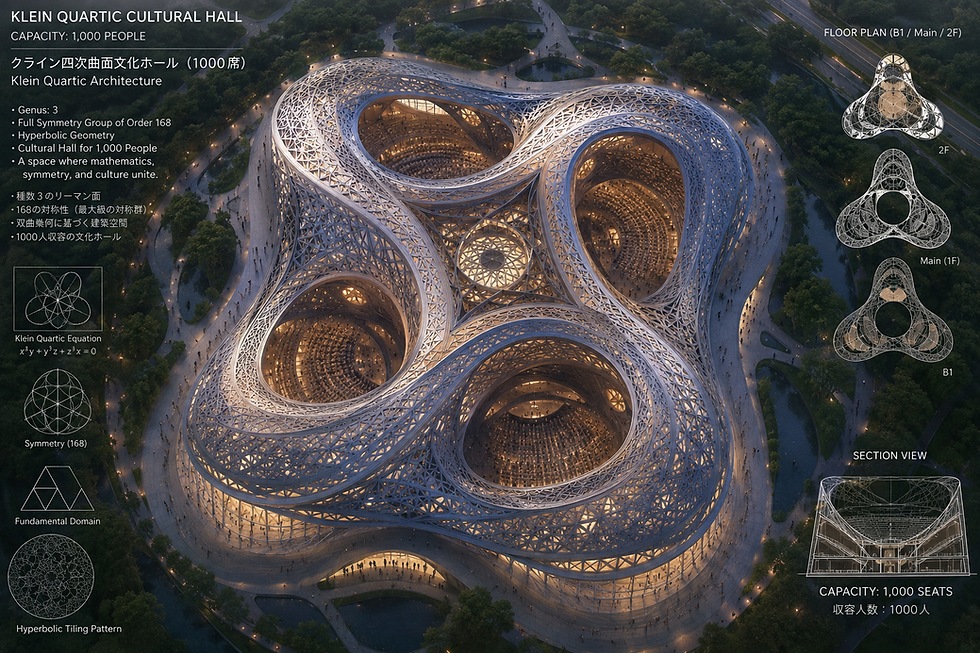
Modern architectural design goes beyond simply designing structures; it requires translating mathematical theories into spatial forms and visual representations. For example, topology is used to design buildings with continuity and deformability, and chaos theory is applied to create facades that mimic complex patterns in nature.
Furthermore, by utilizing cutting-edge architectural technology , we have been freed from the constraints of conventional gravity-bound designs, enabling structures that appear to float in mid-air and buildings that visually defy gravity. This has dramatically changed how space is used and how people experience it, evolving architecture itself into something akin to a work of art.
Buildings with topological curved surfaces
Design that mimics nature by applying chaos theory
Representation of non-Euclidean spaces based on higher-dimensional geometry

What is the most difficult qualification to obtain in architecture?
The most difficult qualification to obtain in the field of architecture is the "First-Class Architect" license. This qualification is necessary to design and supervise the construction of buildings, and it is considered the most difficult among all architect examinations. The examination covers a wide range of topics, including architectural planning, structure, construction, and regulations, requiring deep specialized knowledge and practical experience.
To implement innovative architectural techniques, highly qualified professionals like these are essential. These qualified individuals possess the ability to understand the latest mathematical theories and technologies and apply them to actual design. This makes it possible to realize innovative architecture where theory and practice are seamlessly integrated.
Exam subjects and difficulty level for first-class architects
The importance of practical experience
The role of qualifications in leveraging innovative technologies
Examples of mathematical architecture
The following projects are concrete examples of applying mathematical concepts to architecture.
Facade design using chaos theory
The exterior walls, with their intricate patterns, mimic the irregularities of nature while simultaneously creating a beautiful harmony. This allows the building to blend seamlessly with its surroundings while maintaining its own unique presence.
Topological spatial configuration
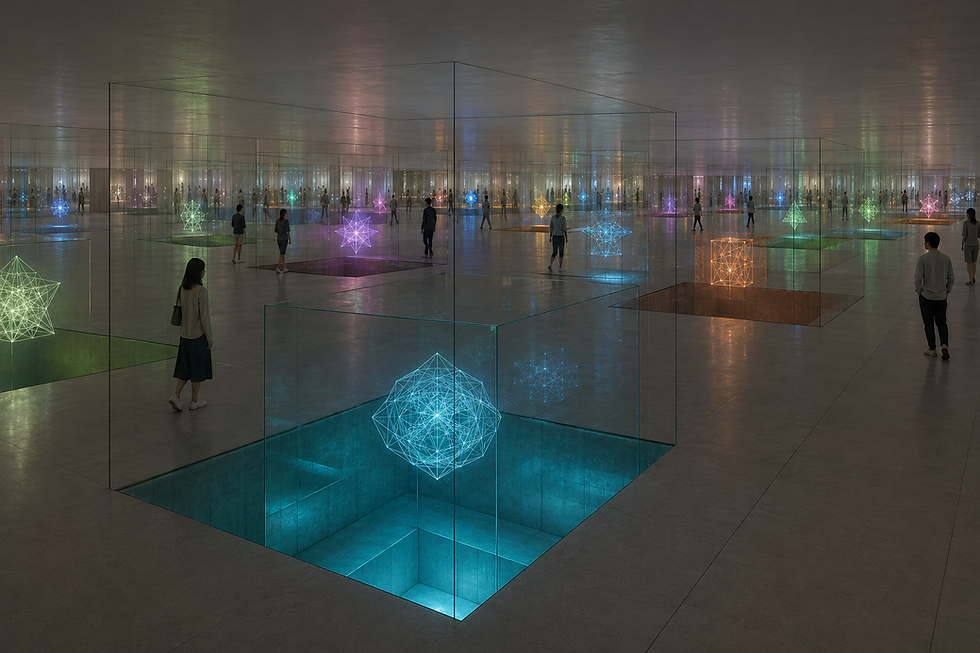
Architecture with continuously deformable curved surfaces enhances the fluidity of interior spaces and offers users new experiences. For example, it is possible to design spaces where curved walls and ceilings are visually continuous, blurring the boundaries of space.
Non-Euclidean spaces based on higher-dimensional geometry
An increasing number of buildings incorporate shapes that cannot be expressed in ordinary three-dimensional space, creating visually astonishing designs. This is evolving architecture from mere living spaces to artistic installations.

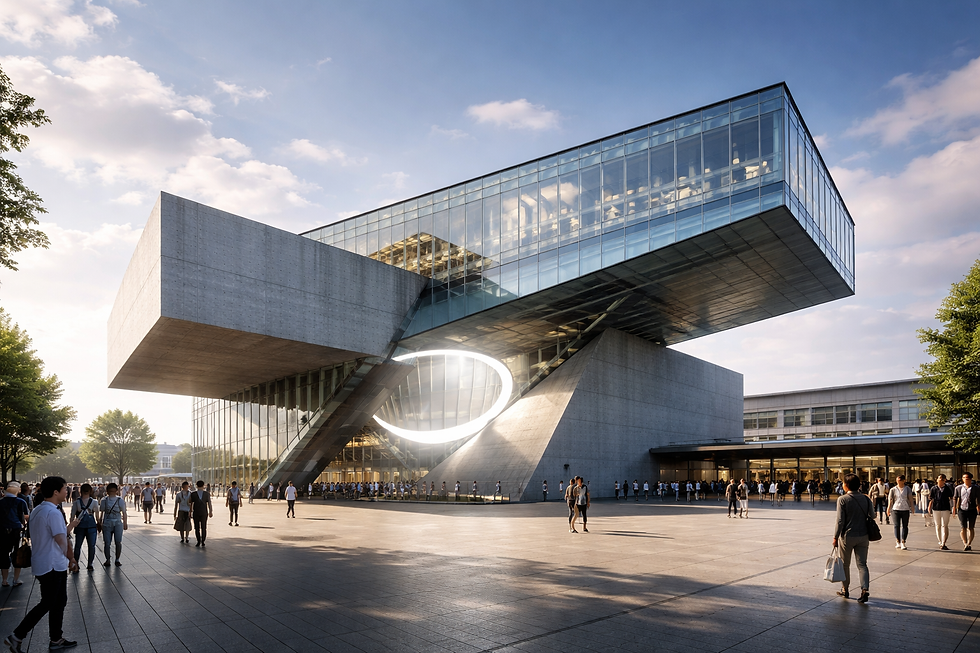
Architectural design techniques that create a sense of weightlessness
The architecture, which gives a sense of weightlessness and floating, offers viewers a fresh and surprising experience. The following technologies are utilized to achieve this:
Use of lightweight materials
By using lightweight yet strong materials such as carbon fiber and high-strength plastics, the structural load is reduced, creating the impression that the structure is floating in mid-air.
Structural analysis and simulation
Detailed structural analysis is performed using computer simulations to calculate the optimal support points and balance. This makes the supporting parts less visible, emphasizing the sense of weightlessness.
Light and shadow effects
By carefully designing the lighting plan and adjusting how shadows fall and reflections are made, the sense of gravity of the building is visually reduced.
By combining these technologies, it becomes possible to create new spatial experiences that go beyond the conventional boundaries of architecture.
Future Architectural Technologies and Prospects
Future architectural technology is expected to see further integration of mathematical theory and digital technology. The widespread adoption of design support tools utilizing AI and machine learning will likely lead to the creation of more complex and sophisticated buildings.
Furthermore, developing technologies to achieve sustainable architecture while minimizing environmental impact is also crucial. The combination of renewable energy, natural materials, and environmental control using smart sensors will make future architecture more human- and environmentally friendly.
AI-powered design optimization
Sustainable materials and energy use
Interactive spatial design
These technological innovations will transform architecture from mere physical structures into artistic spaces that stimulate the senses and intellect.
New value brought about by innovative building technologies
Innovative architectural technologies not only improve aesthetics and functionality, but also have a significant impact on how space is used and on people's lifestyles. Buildings that defy gravity and create a sense of weightlessness offer users new sensory experiences, stimulating a sense of mental liberation and creativity.
Furthermore, these technologies contribute to enhancing the brand value of companies and organizations. Highly original architectural designs leave a strong impression on visitors and serve as symbols of innovation.
Innovation in spatial experience
Strengthening brand image
Contributing to a sustainable society
Future architecture is expected to create richer and more diverse values by fusing mathematical aesthetics with technological innovation.

Comments